Industry

B2B SaaS

Client

Skynamo

The reporting tool that replaced two days of manual work
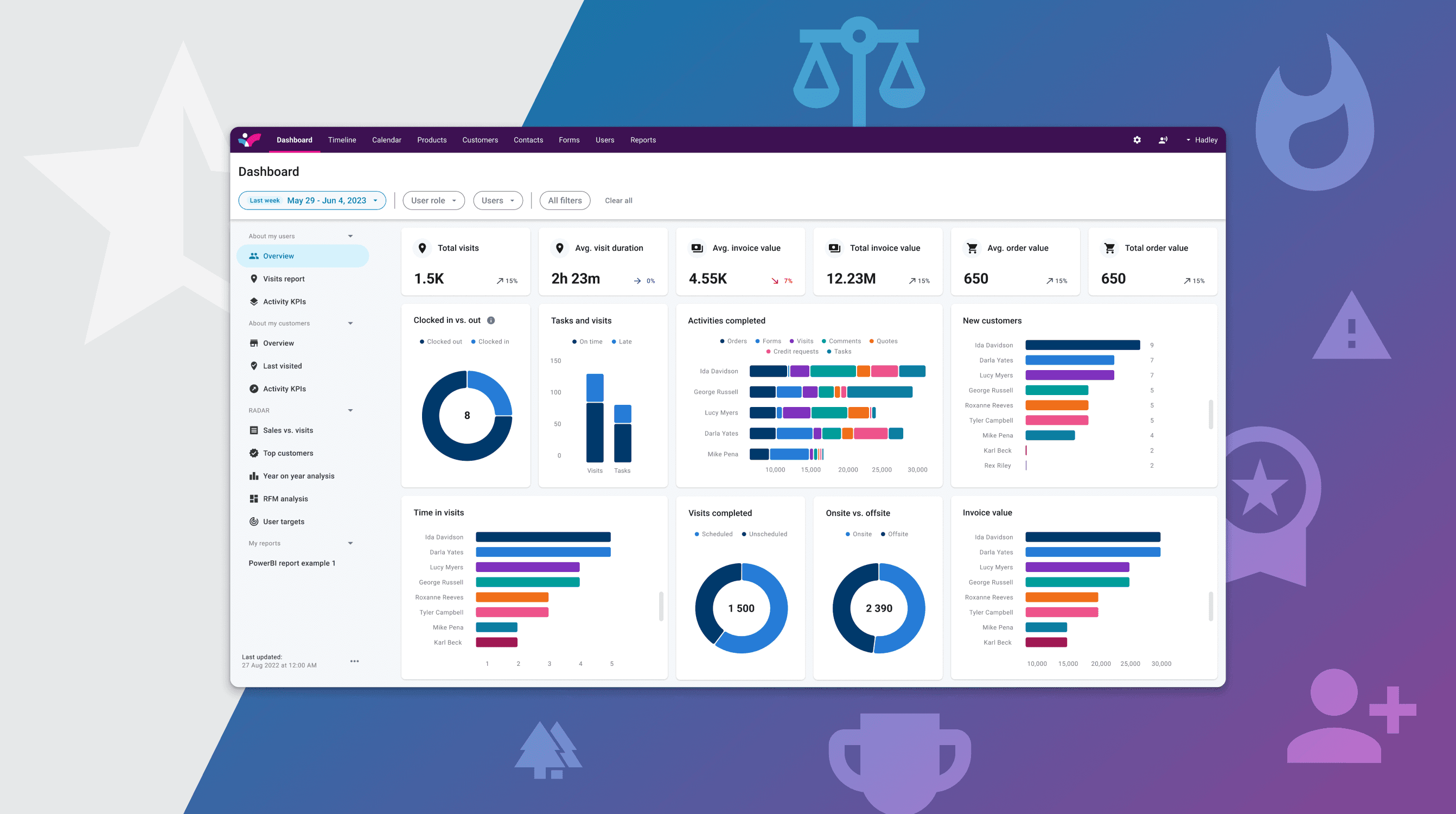
Main Project Image

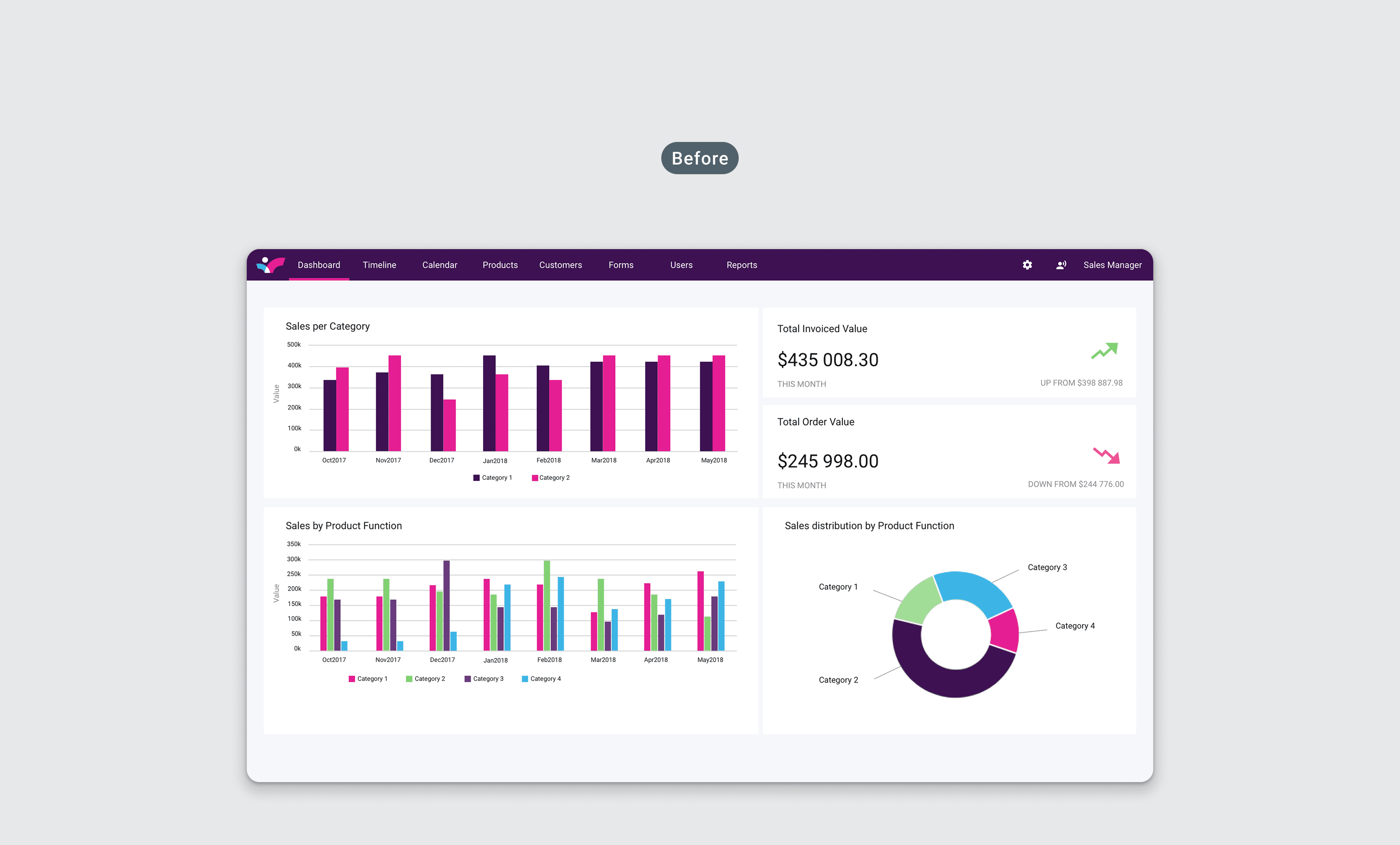
The old dashboard wasn't doing its job.

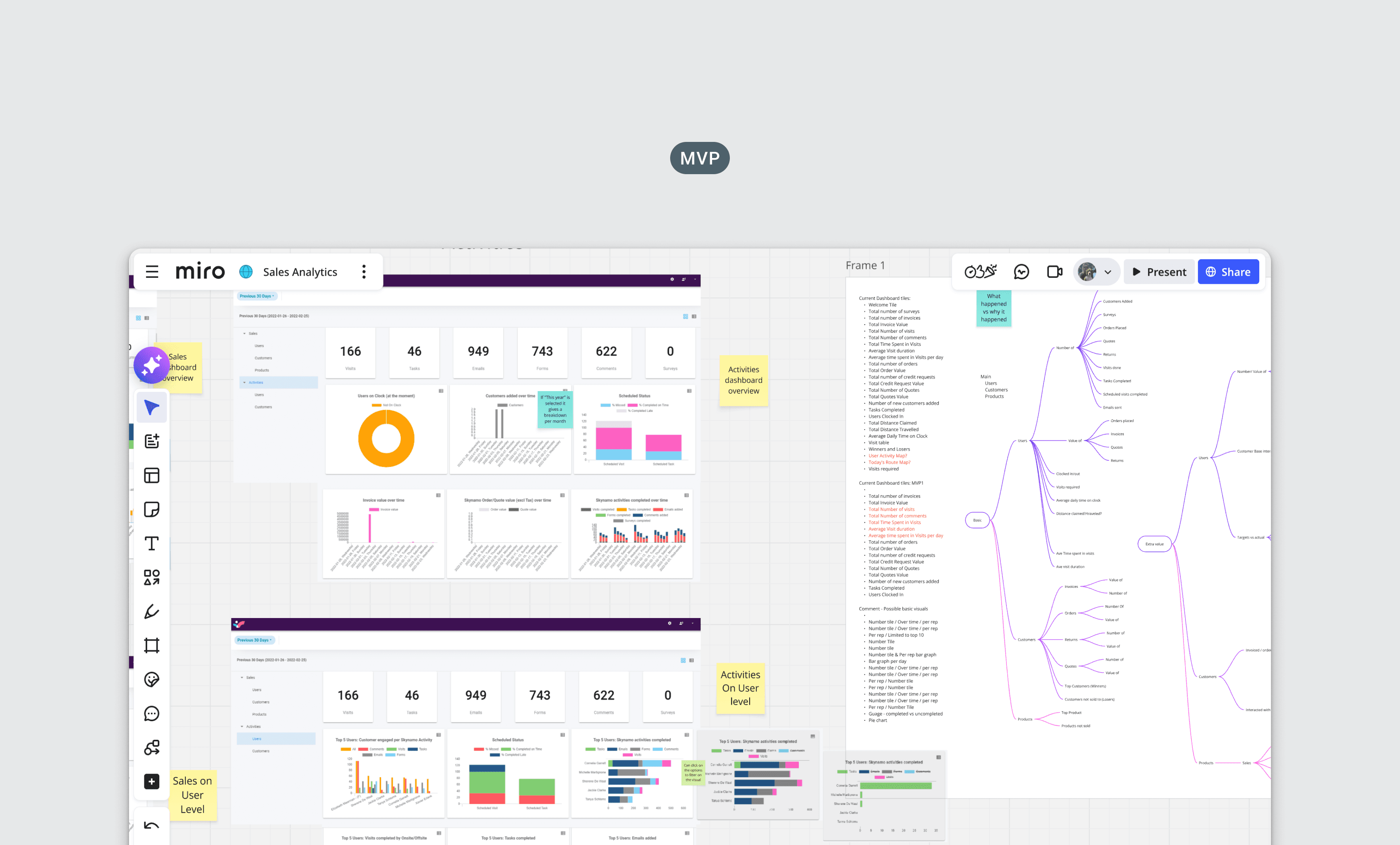
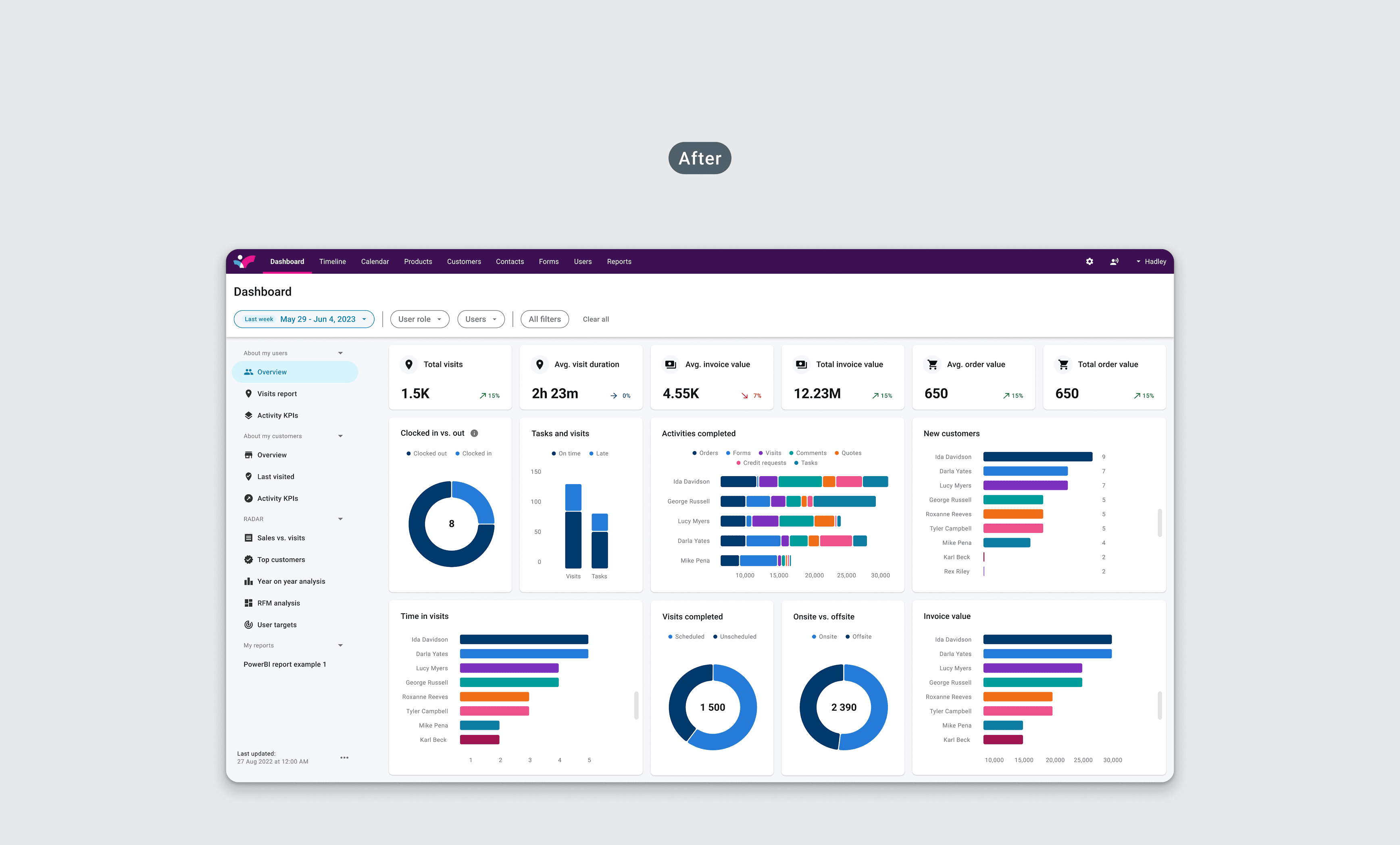
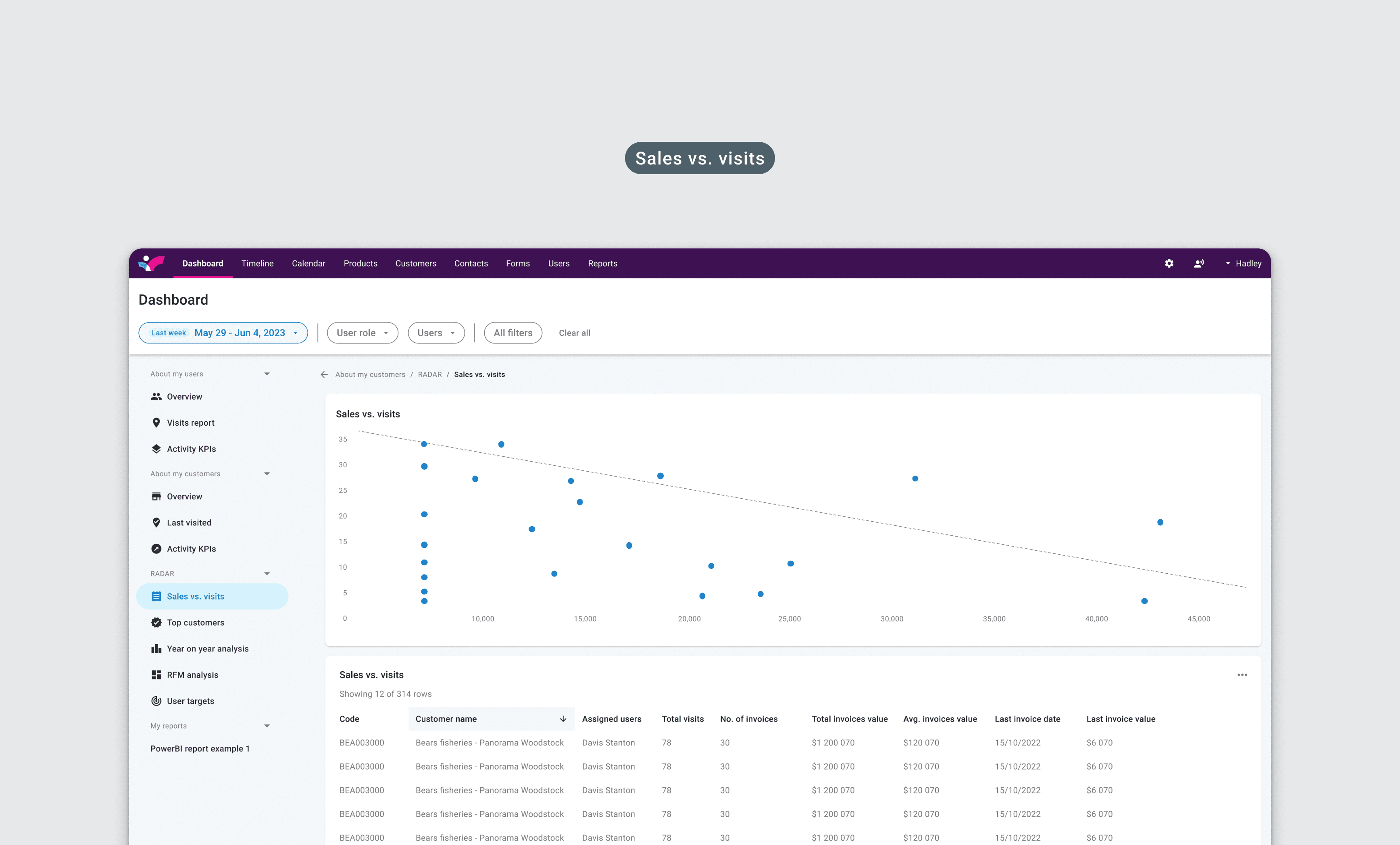
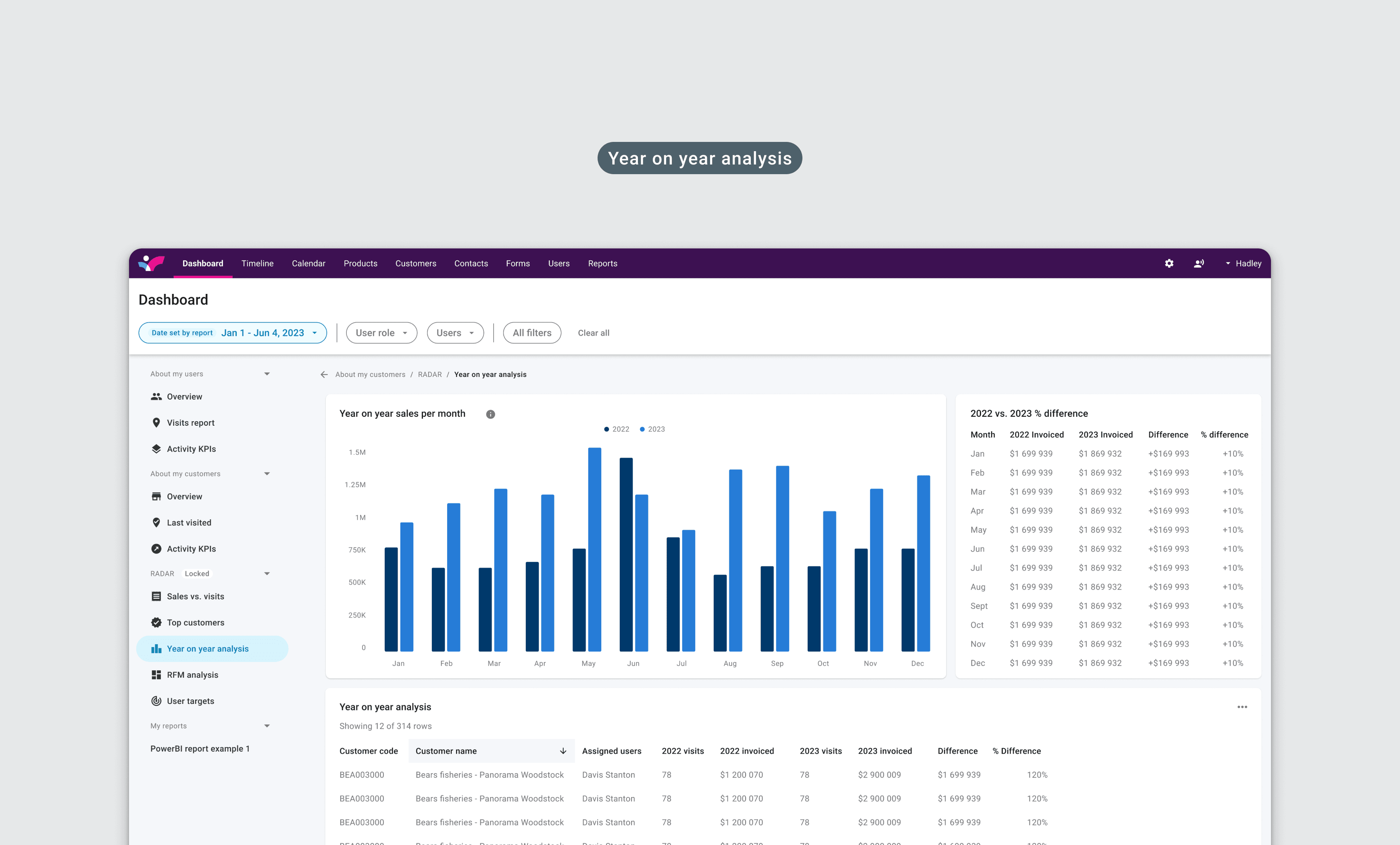
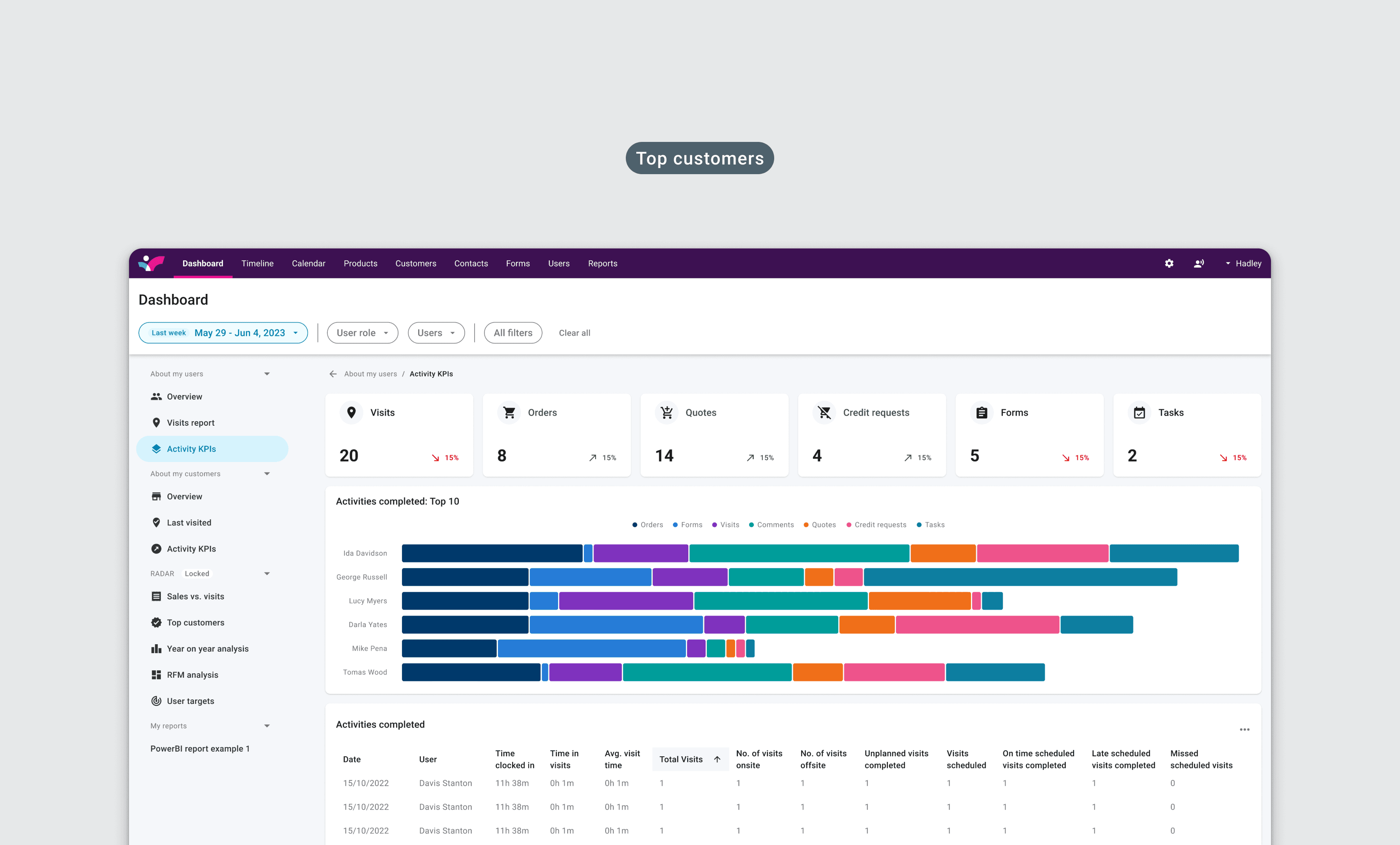
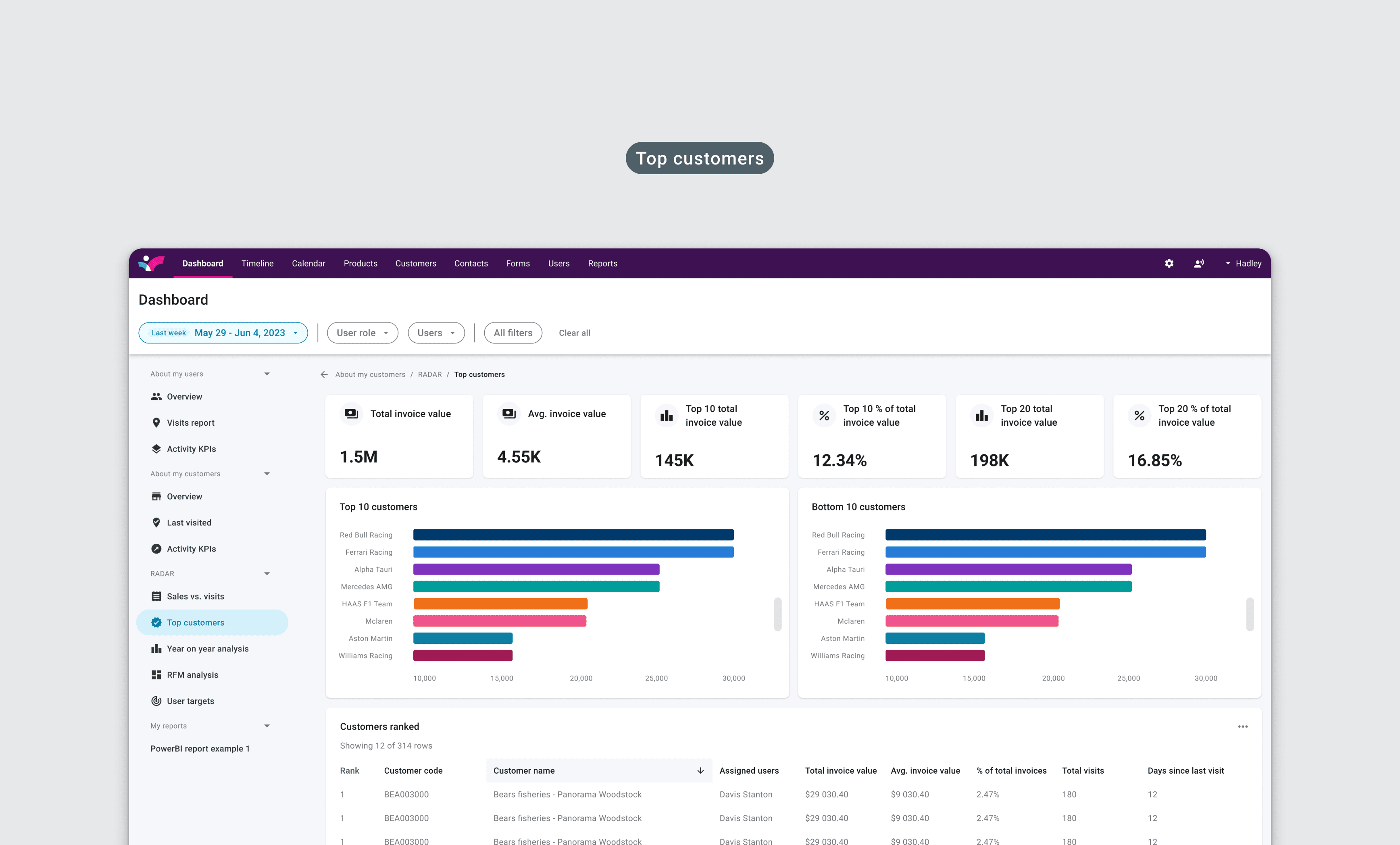
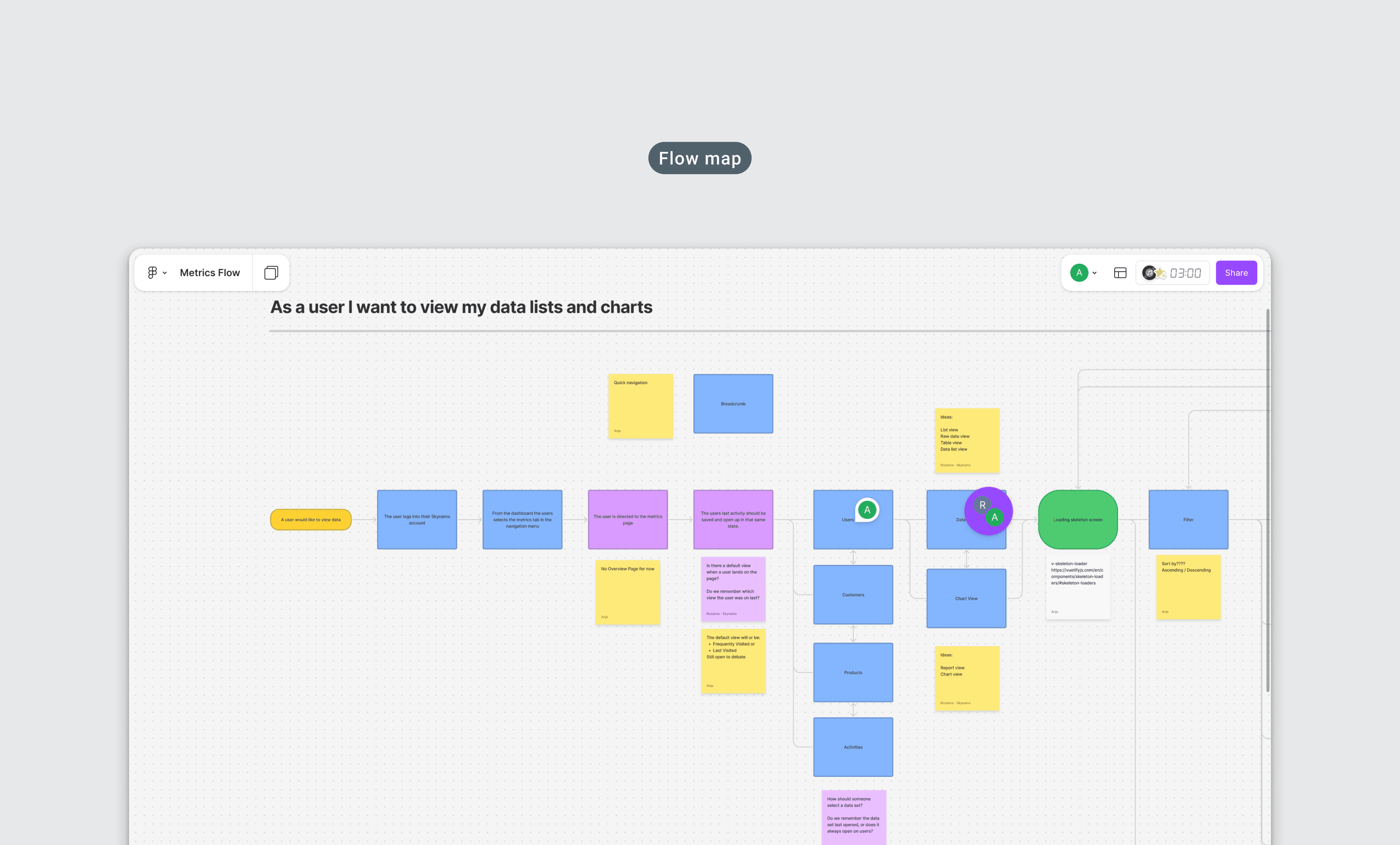
Skynamo's reporting ran on an embedded third-party tool that was slow, broke regularly, and showed managers a blank page until they manually configured every tile. Most didn't bother. Some spent hours every week pulling data from elsewhere and compiling it themselves. One customer was losing two full working days a month just to reporting. Working as the designer on the Oddities squad alongside a PM and three developers, I designed the new dashboard end to end. From navigation structure and information hierarchy to every chart layout, drill-down view, and data table. The PM led customer discovery and brought back the research that shaped the design. I turned those findings into something buildable. The new dashboard shipped in 2022. Within 10 weeks, nearly 900 customers had migrated from the old tool and the legacy analytics platform dropped to zero.
Large Project Gallery Image #1
Project Gallery Image for 50% width of the screen #1
Project Gallery Image for 50% width of the screen #2
Large Project Gallery Image #3
Project Gallery Image for 50% width of the screen #1

"Now this is a dashboard I could use daily."

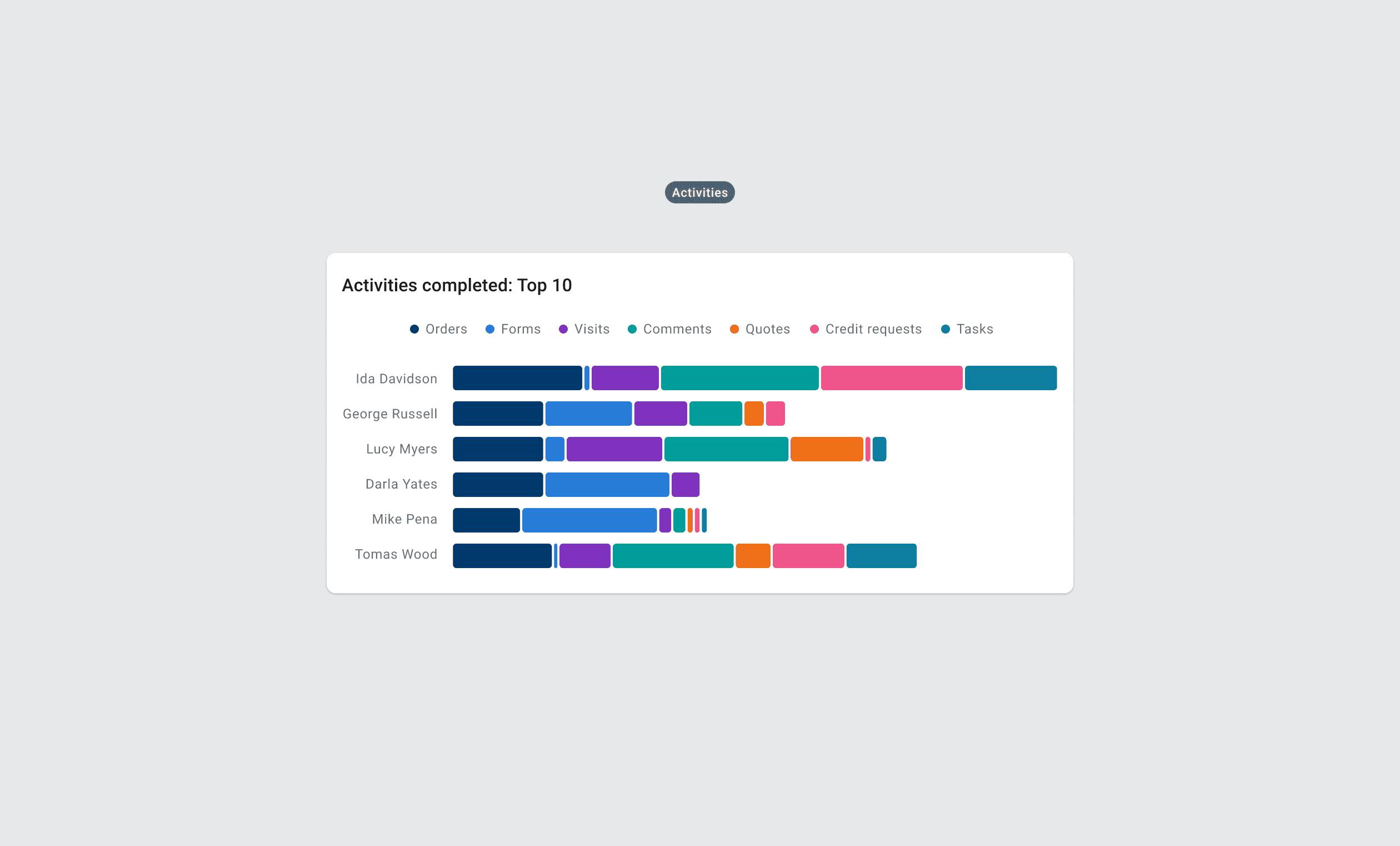
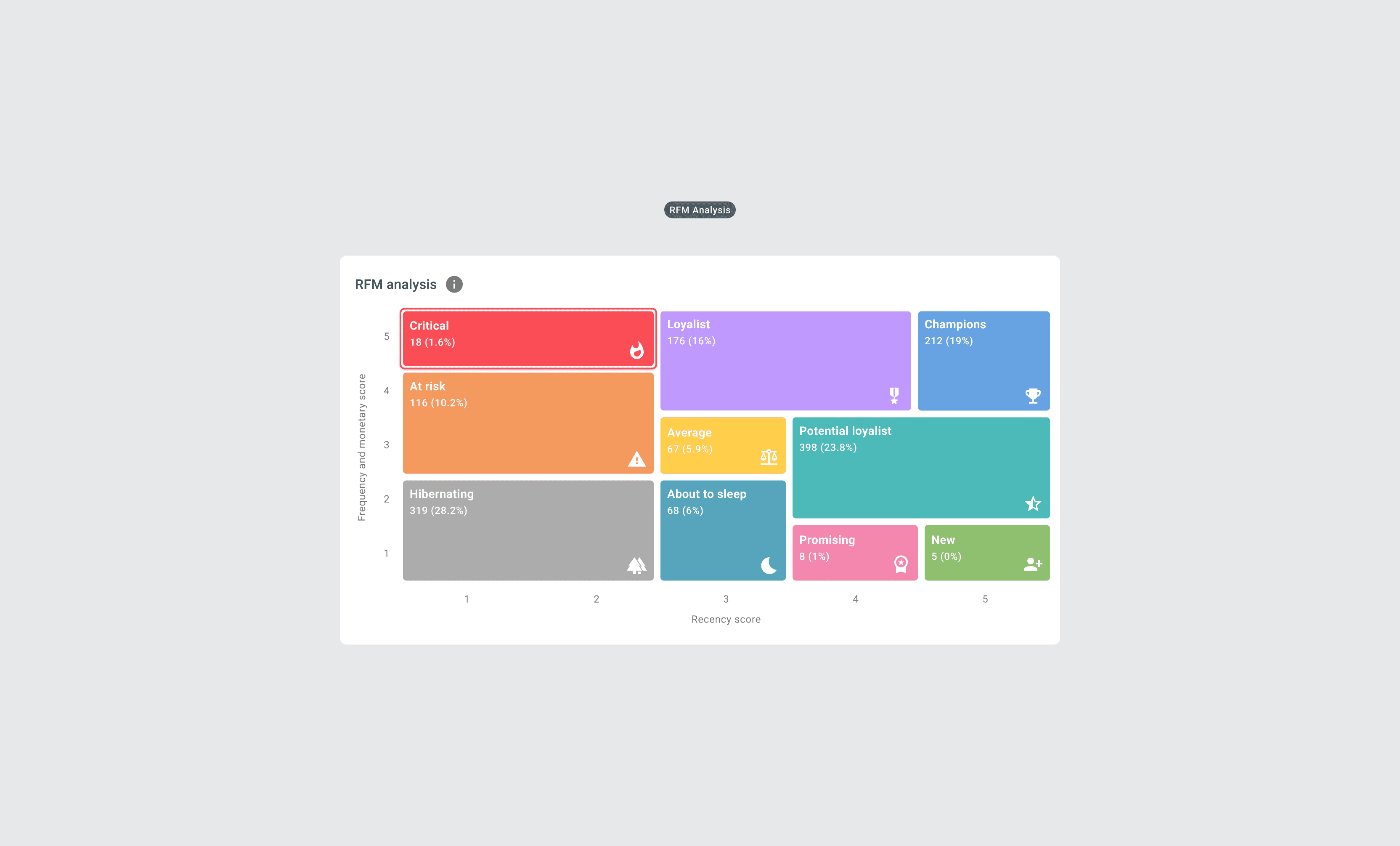
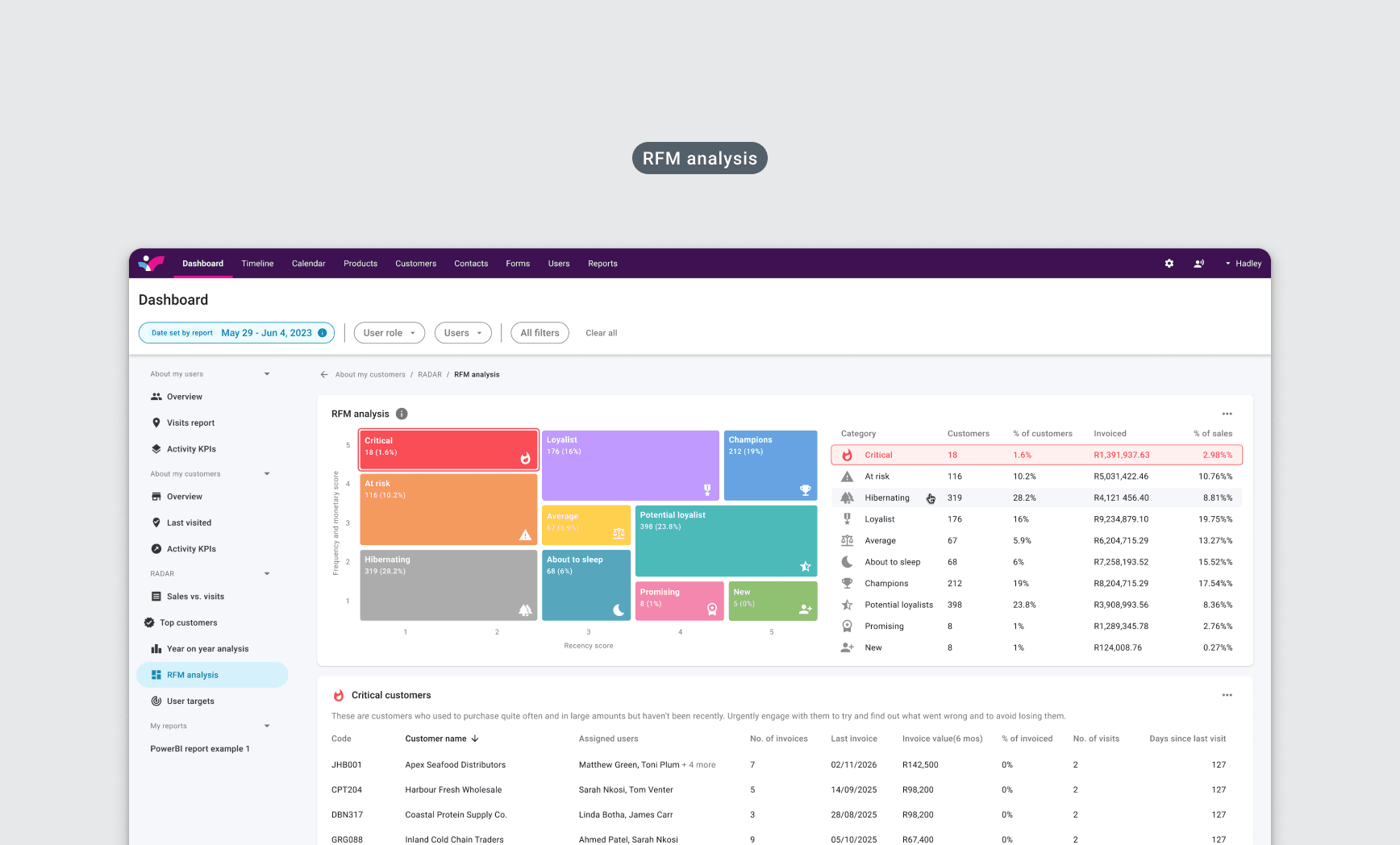
That was a National Sales Manager at a long-standing customer. Someone who had never once opened the old dashboard. He was in beta. He told us we could remove the old one entirely. The data he had been compiling manually every month would now be surfaced automatically, saving him two full working days. Customer research conducted by the PM showed a consistent pattern: the dashboard's initial density gave way to appreciation once people read what the data was actually telling them. The information architecture was right. It just needed a moment to land. The RFM analysis was the moment that stopped conversations in testing. One sales manager pulled out her phone to photograph the customer segmentation screen. She wanted to show it to her MD. She understood immediately that it was a paid feature worth paying for. The design system components built alongside this project gave other squads a foundation to build from. Chart tiles, data tables, filter patterns, navigation. The dashboard shipped. The components stayed.