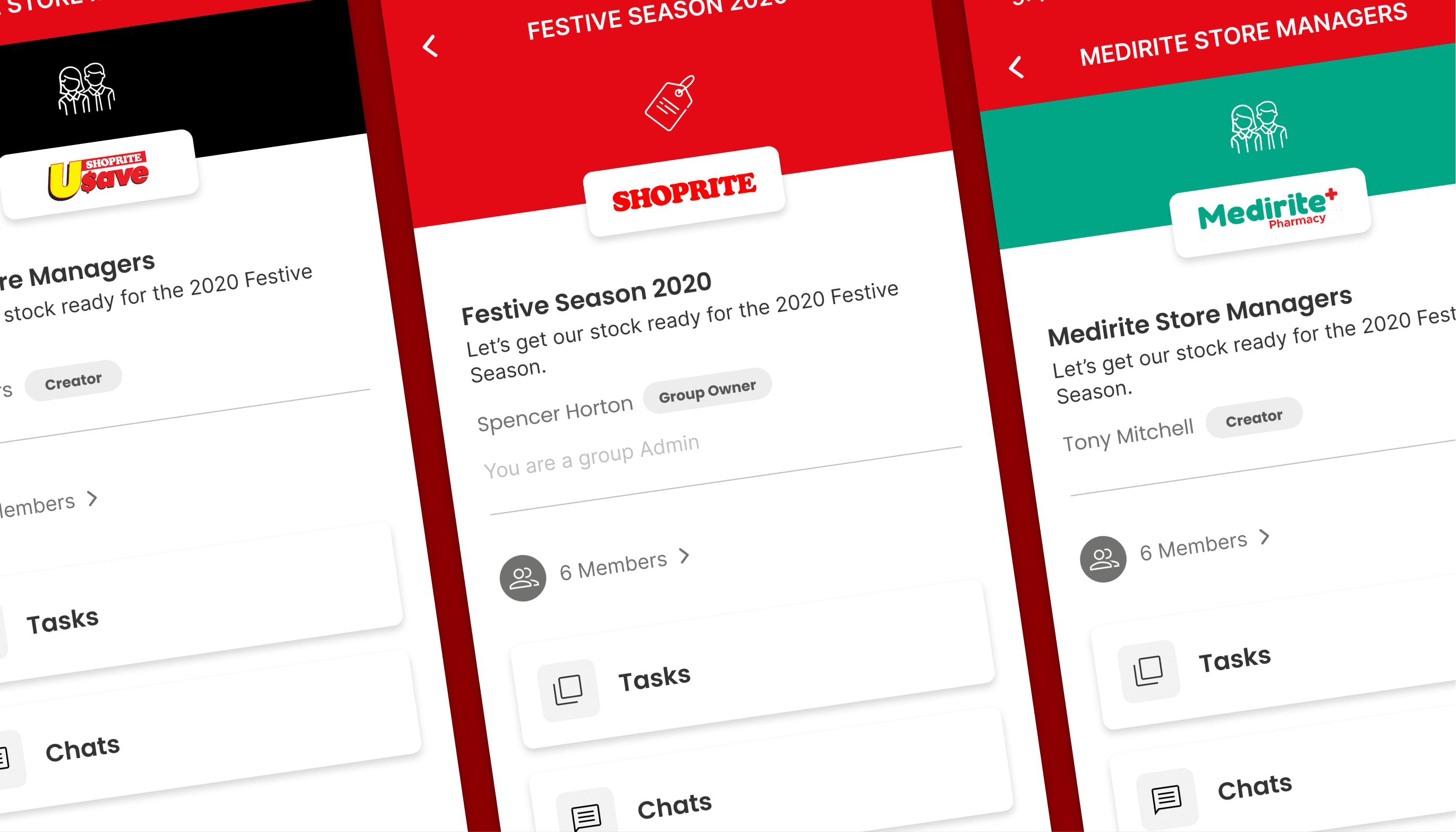
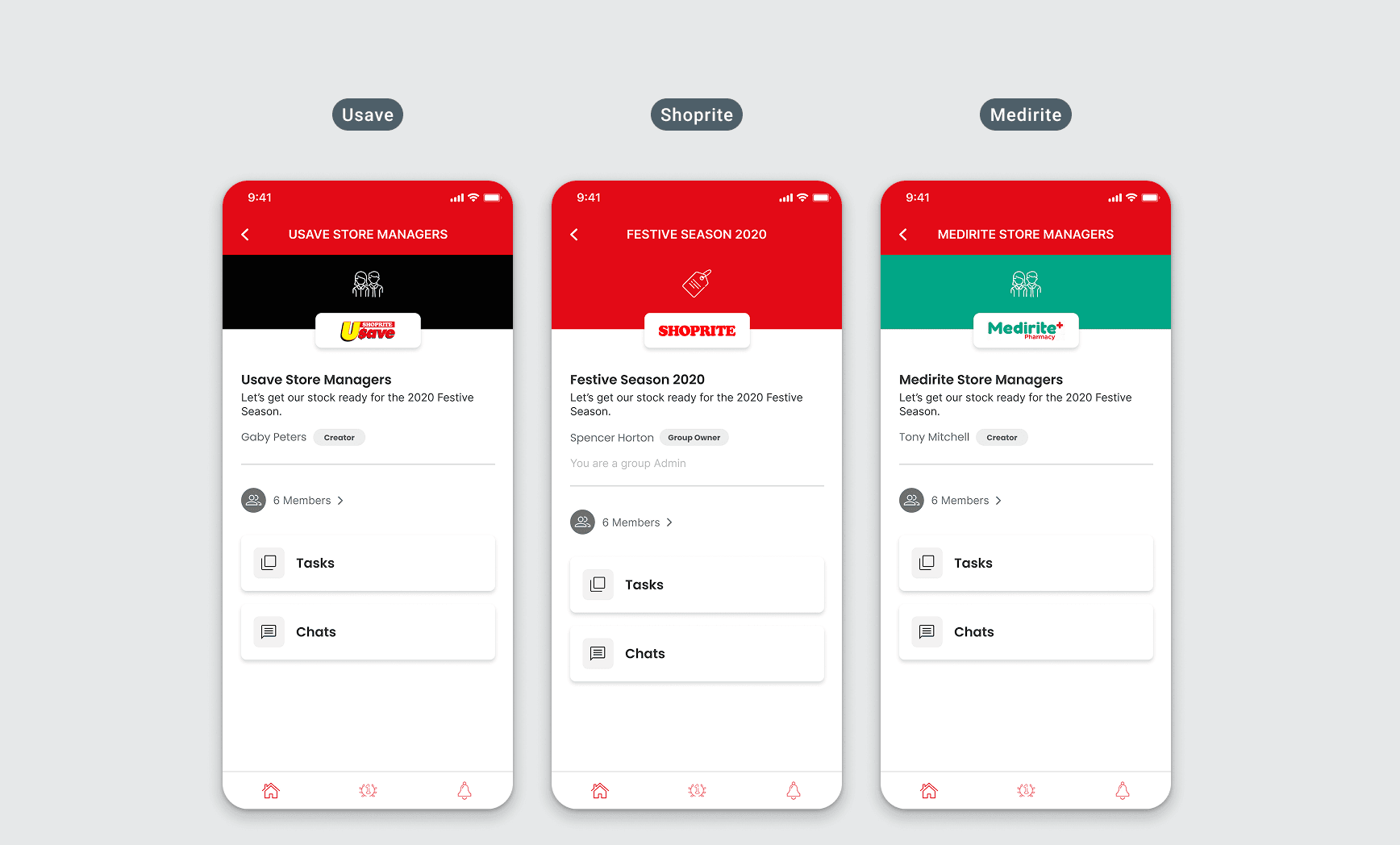
Built once to work for any brand in the group.
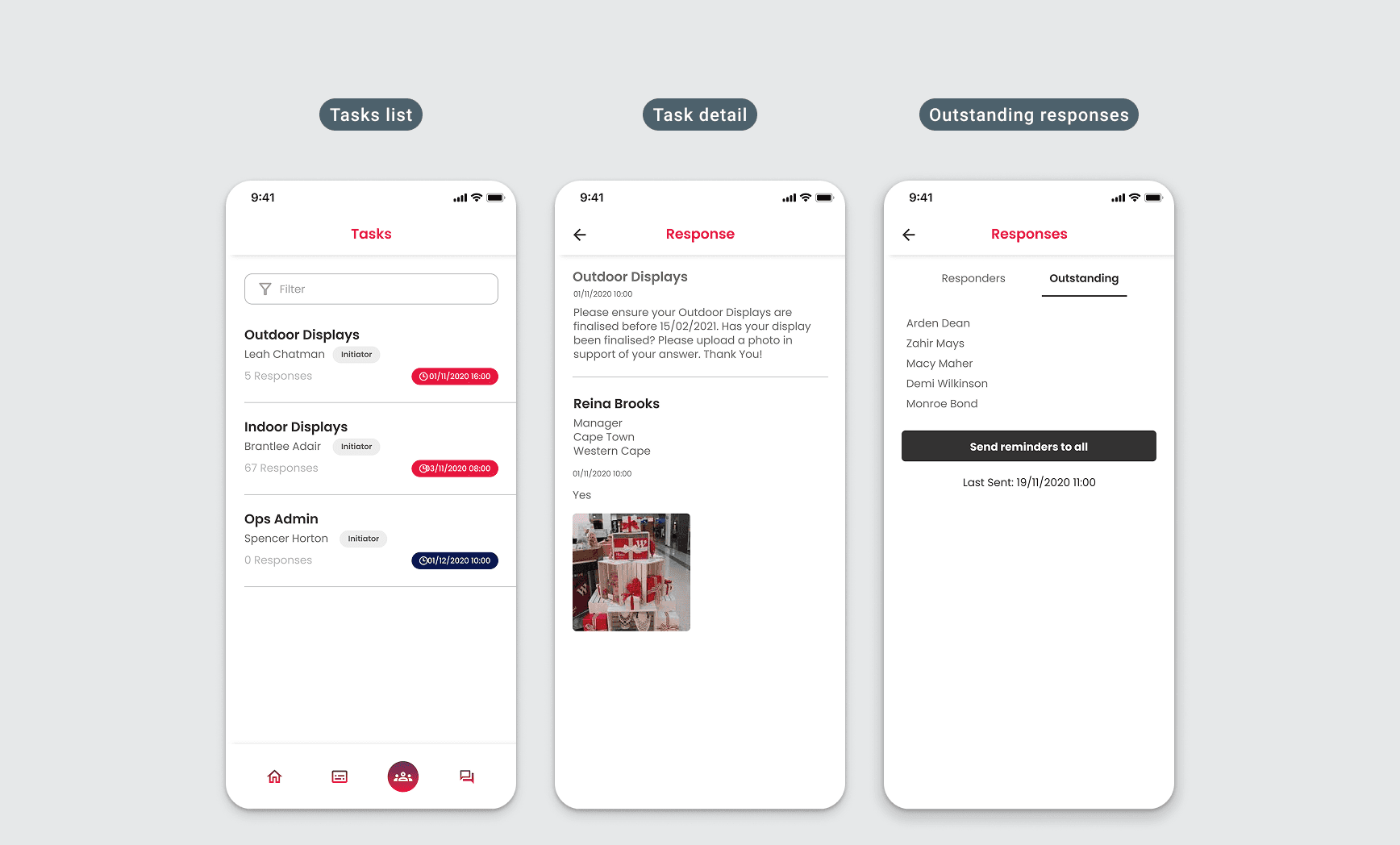
Wyzetalk's platform connects non-desk workers with their employers across more than 30 enterprise clients, and when the product team identified a gap in structured operational communication the brief was straightforward: design a group-based task management feature that could work generically for any client, then be fully themed to match their brand without touching the underlying structure.
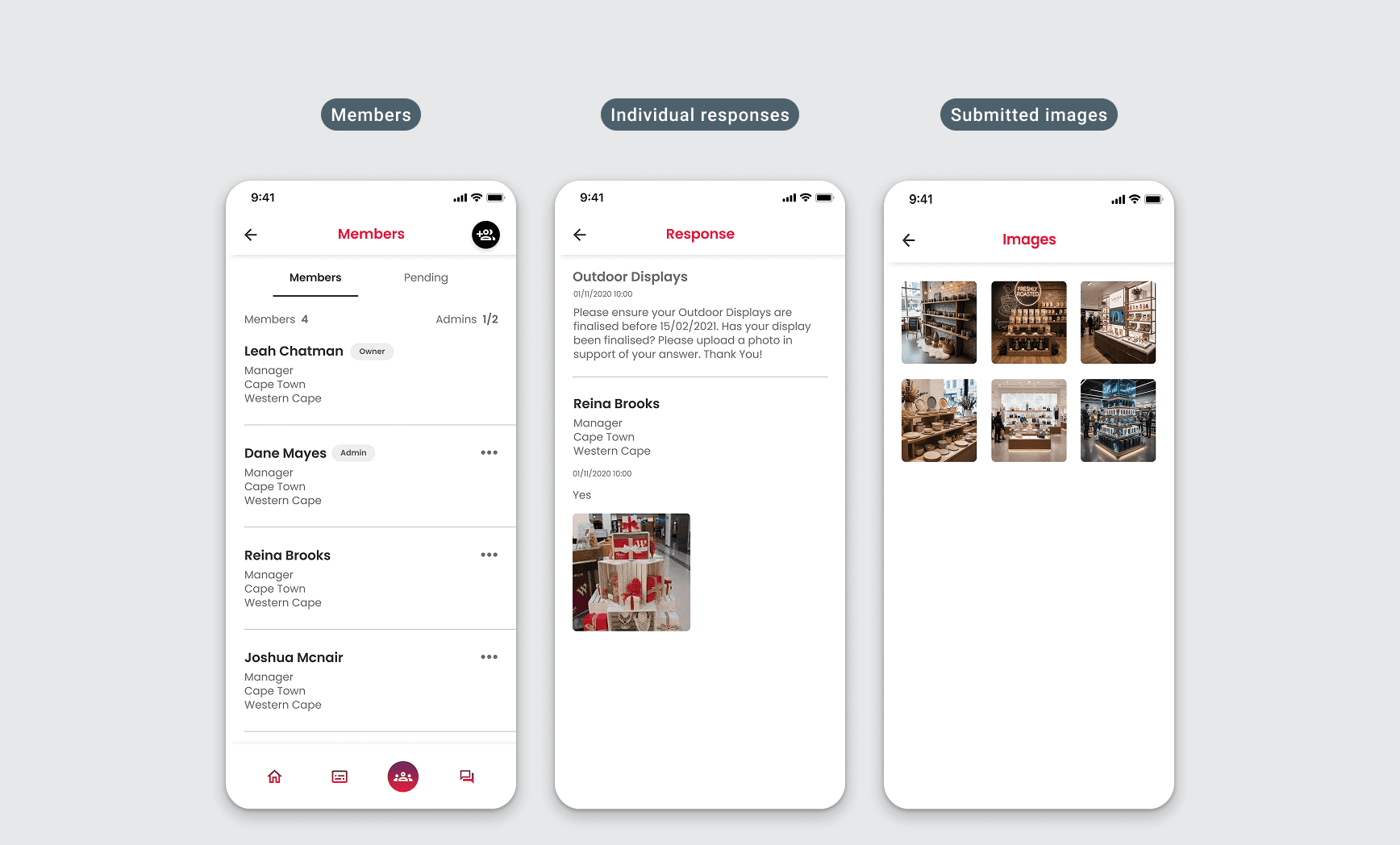
The result was Groups, a data-free task management system built for managers. The generic version came first, establishing the full feature set, interaction patterns, and component structure before any brand theming was applied. Groups was then renamed Buzz and deployed across the Shoprite Group brands including Shoprite, Usave, and Medirite. Same logic, same flows, completely different visual identities for each, and zero structural changes between them.
One system. Multiple brands. A complete task lifecycle.
Buzz isn't a messaging tool with tasks bolted on. It's a structured request and response system built around how large retail operations actually work, where a manager might oversee dozens of stores and needs accountability without the chaos of a WhatsApp group.
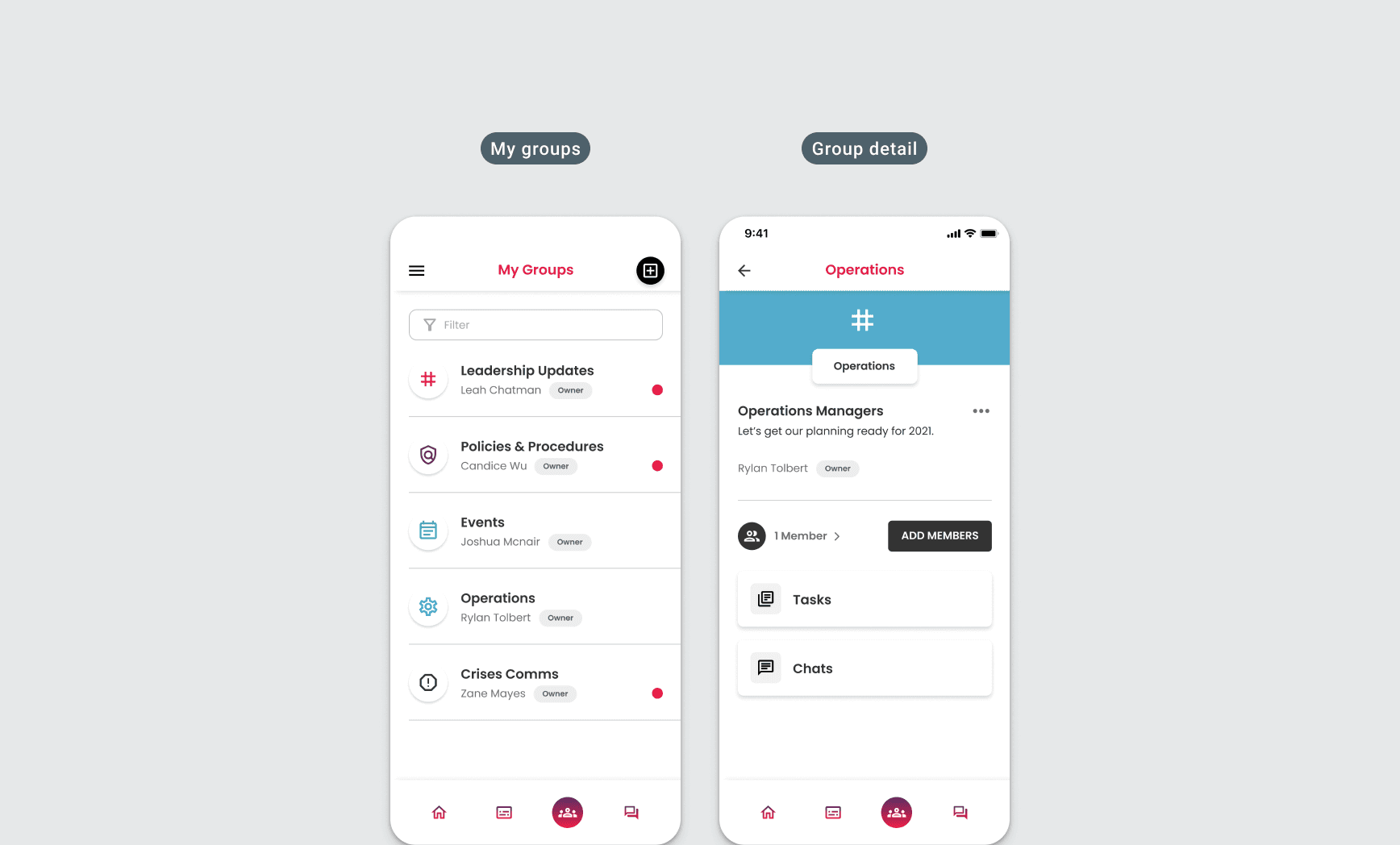
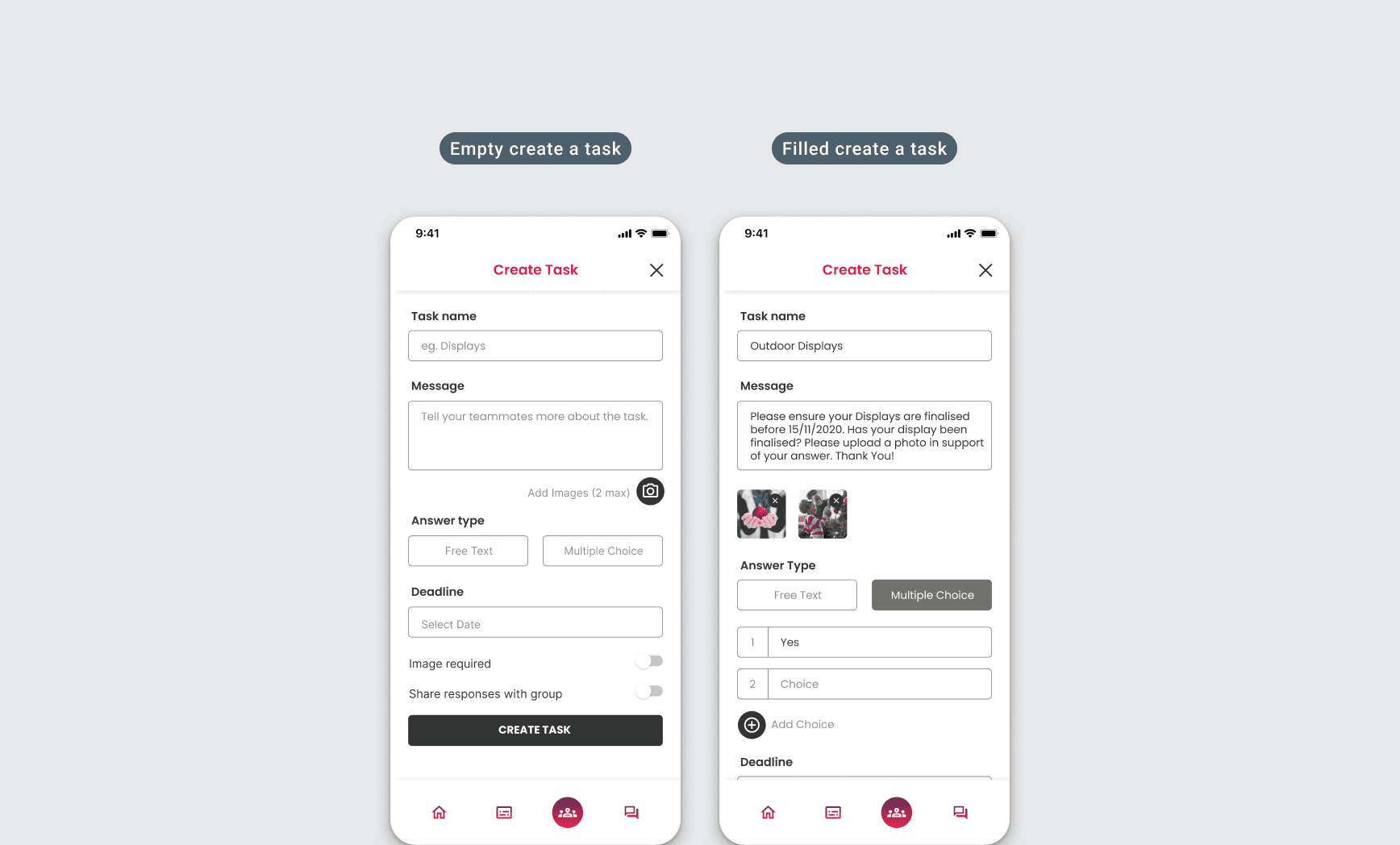
The feature supports two distinct roles: Initiators who create and manage groups and requests, and Responders who receive, complete, and submit tasks, with each role only seeing what's relevant to them. The full task lifecycle runs from creating requests with deadlines through to monitoring outstanding responses in real time, sending one-click reminders, viewing submissions, closing requests, and archiving before deletion. Group management lets you assign up to two admins, add members, and apply brand and icon theming at the group level.
The job title search is a small detail that mattered a lot. At enterprise scale a manager doesn't know every employee's name, so searching by role rather than name is how real operations work, and designing for that rather than the assumed flow was the kind of thing that only comes out when you think seriously about who's actually using it. Designing the generic version first meant every interaction pattern was stress-tested before the first brand theming went on. The theming layer handled colour, logo, and iconography, and the underlying UX held across every brand without adjustment.